Searching for dependable Missoula HVAC air balancing specialists? You'll get precise airflow testing, system pressure testing, and room-by-room adjustments that resolve uneven heating and cooling, reduce hissing vents, and decrease energy costs. Technicians use calibrated manometers, airflow hoods, and thermal imaging to adjust dampers, configure blower speeds, and confirm results. Expect flat-rate estimates, clear communication, and a detailed report with ordered fixes. You'll preserve your equipment, steady humidity, and optimize comfort across zones. Continue reading to see what to expect and how to select.
Essential Points
- Certified Missoula experts balance and optimize airflow between rooms to remove temperature variations and lower power bills.
- Complete diagnostic assessment: static pressure and airflow analysis using professional equipment like industry-standard testing equipment, including comprehensive records showing pre and post measurements.
- Transparent pricing: flat-rate estimates, clear scope, and separate approval for repairs beyond balancing
- Our team conducts on-site adjustments for dampers, registers, and blower speed, including performance verification and an in-depth written report.
- Reliable local scheduling: featuring confirmed arrival windows, standard service duration of 1.5-3 hours, and comprehensive setup guidelines for efficient service.
Why Air Balancing is Essential for Missoula's Climate
Despite Montana's dramatic temperature fluctuations, you can maintain your home cozy by evening out airflow between spaces. In Missoula, air balancing is essential; it's how you fight uneven temperatures, drafts, and poor circulation during mountain inversions. When temperature inversions concentrate pollutants low, proper supply and return flows work to circulate and filter indoor air, so you enjoy better air quality. You'll also protect your system from overworking, reducing energy expenses and operating sounds.
Balanced airflow is crucial in controlling winter humidity. Without proper pressure balance, dry air moves unpredictably, resulting in dry skin, static buildup, and warping wood. Through optimized ventilation components, humidity control improves significantly, and warmth distributes evenly across every story of your house. The outcome includes improved system durability, balanced comfort throughout spaces, and optimal return on your investment.
Key Signs It's Time for Air Balancing Service
Even though comfort problems may have different origins, certain warning signs indicate problems with airflow distribution. You may observe temperature variations between floors, with temperature disparities between upper and lower floors. Individual rooms fail to achieve comfort levels, while air registers make excessive noise. Air currents and door issues emerge when the heating and cooling system is active. Your thermostat frequently switches on and off, yet utility bills keep increasing.
Notice weak airflow from some vents while others blow forcefully. Dust accumulates rapidly, and unpleasant odors persist longer than expected. You face fluctuating humidity issues or window condensation. Filters become saturated rapidly, indicating air infiltration from attics or crawlspaces. Return grilles stay grimy regardless of cleaning efforts. If you've done recent home improvements that modified layouts or installed new equipment, anticipate pressure problems and uneven heating or cooling.
Understanding Professional Air Balancing
Before beginning repairs, an expert HVAC specialist initiates a thorough diagnostic process: they measure airflow in both supply and return at each register, system static pressure, and the temperature difference at the coil. With these measurements, they evaluate the results against design specifications, then chart system imbalances for each room and duct. Next, they make adjustments to dampers, register grilles, and blower speed to match calculated airflow requirements.
Where particular sections continue to lag, they propose zoning strategies to ensure each zone receives adequate air distribution when needed. They further investigate air escaping and temperature fluctuations, proposing insulated ductwork or sealing solutions to stabilize performance. In conclusion, they confirm all modifications by rechecking airflow measurements and pressure levels, ensure comfort across rooms, and document all settings to help you maintain consistent efficiency throughout the year.
Technical Equipment and Diagnostic Procedures
Following the mapping of imbalances and making precise adjustments, it's time to employ proper measurement instruments to validate the changes. Professionals will employ calibrated manometers to assess pressure levels, ensuring your system meets manufacturer specifications. They will then use airflow hoods and hot-wire anemometers to measure airflow volumes at all vents, then compare these measurements with the specified targets.
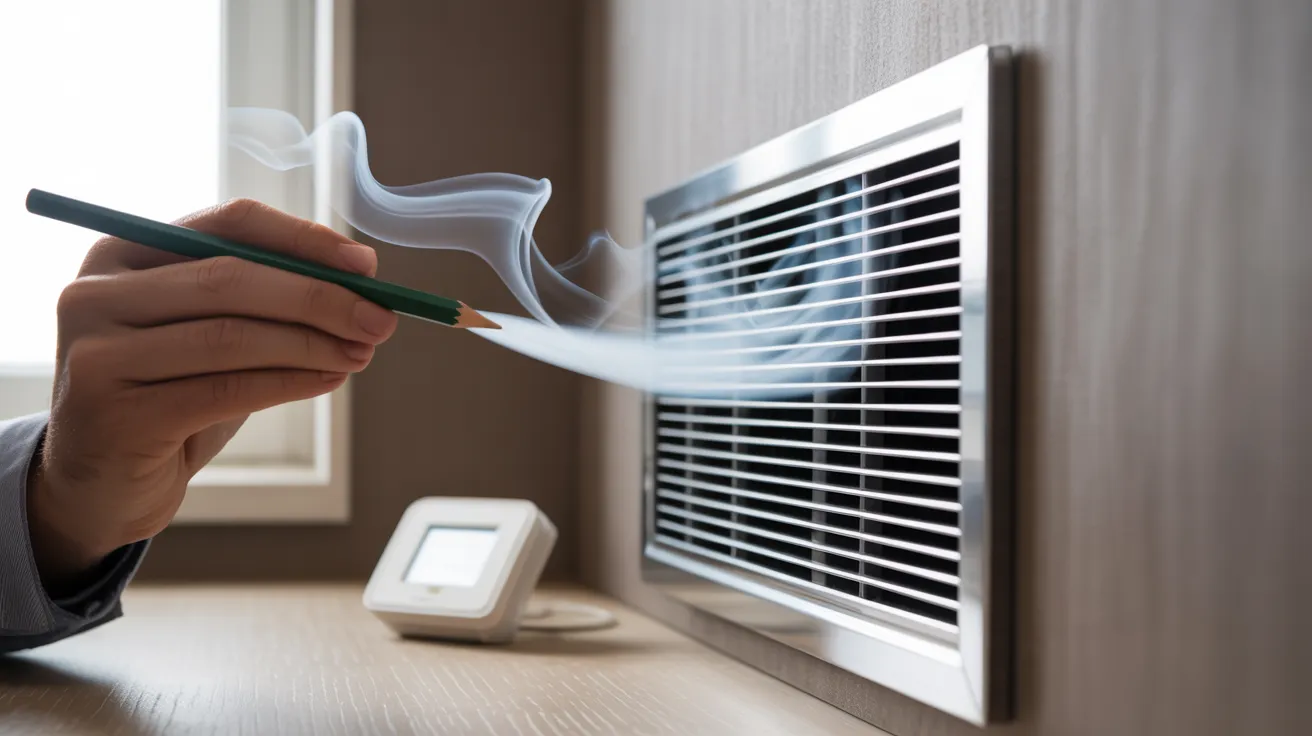
For detecting concealed air leaks, technicians utilize duct testers to create positive or negative pressure in system runs and calculate airflow loss in CFM. Thermal imaging devices quickly identify thermal differences, insulation gaps, and compromised seams concealed in the structure. Environmental monitors monitor and log climate conditions during system operation, verifying control effectiveness. Moreover, airflow indicators demonstrate directional flow, verifying that balancing dampers and grilles are optimally adjusted for uniform and optimal air distribution.
Air Circulation Challenges in New and Legacy Properties
Despite having well-dimensioned installations, buildings from different time periods face distinct ventilation issues you can readily notice. When dealing with aging homes, issues like leaky sheet-metal runs, unnecessarily big trunk lines, and improperly sealed return ducts leave remote spaces underserved. Historic building updates typically require squeezing ducts through limited pathways, causing troublesome bends, damaged flex ducting, and elevated pressure resulting in vent whistling. You may additionally face bare masonry passages functioning as ventilation stacks, drawing treated air out of rooms.
Modern buildings encounter unique challenges. Tight building envelopes intensify airflow issues due to closed doors and insufficient returns, resulting in poorly ventilated sleeping areas while halls blast. Long flex duct runs commonly droop, trapping air and dust. Open-plan designs need precise supply and return positioning to avoid short-cycling. With split-system AC, typical challenges include mislocated heads, restricted airflow, and uncoordinated fan settings across multiple areas.
Key Benefits: Energy Efficiency and Comfort
After balancing airflow effectively, your heating and cooling system consumes less power to regulate the temperature of every room. You cut wasted run time and decrease utility bills without compromising performance. You'll experience consistent indoor temperatures, so each space feels equally comfortable.
Lower Energy Usage
Since proper air distribution allows your HVAC system to function efficiently without excessive effort, air balancing immediately decreases energy usage. When each supply and return path is tuned, blowers work at reduced speeds, heating and cooling cycles reduce, and you avoid the energy loss of pressure inconsistencies. You'll use fewer kilowatt-hours without compromising comfort.
Initiate with thorough diagnostic evaluations to detect duct restrictions, leakage, and misadjusted dampers. After balancing, confirm system performance at important outlets so your HVAC unit runs at its best. Pair the improvements with intelligent climate controls to reduce runtime when you're out or sleeping. Fix visible duct leaks, replace blocked filters, and ensure vents clear. These simple measures amplify the benefits from air balancing, reducing utility bills and minimizing equipment stress.
Even Indoor Temperature Control
The greatest reward from air balancing is ensuring uniform temperatures across your entire space. You no longer experience temperature variations as each vent and return delivers the right airflow. Your comfort system functions more consistently, reducing strain and excessive operation in troublesome zones.
Balanced airflow also enhances humidity regulation. With balanced air circulation, your HVAC unit can regulate moisture levels during summer months and avoid excessive dryness in winter. Match air balancing with targeted zone management, and you can perfect temperature control throughout various sections of your home without changing the thermostat temperature.
You'll notice quieter vents, fewer drafts, and better sleep as bedrooms maintain temperature settings. Through maintaining even temperatures, you minimize energy waste, safeguard your equipment, and maintain ideal comfort in every space-no space left behind.
Maximizing Your HVAC Equipment's Longevity
While comfort remains your top priority, proper airflow additionally protects your HVAC unit and helps it last longer. When air is distributed correctly, the blower motor doesn't strain, coils and heat exchangers stay at proper temperatures, and mechanical components experience less strain. This helps prevent system cycling and unnecessary vibration, while keeping electrical components at safe operating temperatures.
Air balancing works perfectly with essential maintenance tasks like filter replacement and duct sealing. A clean filter helps prevent pressure drops that restrict airflow; well-maintained ducts prevent leaks that make your HVAC strain. This comprehensive approach maintain proper system pressure, enhance heat transfer, and preserve proper refrigerant and airflow ratios. This results in fewer system breakdowns, lower energy consumption, and increased durability for your HVAC equipment.
How to Choose a Qualified Missoula Technician
Searching for a professional you can rely on in Missoula? Begin by checking certified credentials. Look for NCI or NEBB air balancing certification and evidence of Montana licensing and insurance. Verify expertise in air flow analysis, duct website design, and building pressure testing. Following that, emphasize local experience. A specialist who commonly handles Missoula homes knows mountain climates, older duct layouts, wildfire smoke issues, and energy-efficient upgrades common here.
Look for testimonials that mention quantifiable outcomes-including consistent temperature distribution, smoother performance, and improved airflow metrics. Ask for testimonials and documentation that include starting metrics, system adjustments, and post-service measurements. Verify they use properly calibrated tools: pressure gauges, flow measurement devices, and thermal imaging equipment. Expect clear communication, written findings, and maintenance recommendations. Pick a specialist who tracks all procedures and stands behind their measurements.
Service Details: Costs, Duration, and Visit Overview
We provide a detailed pricing structure before we begin, so you can see what each part costs. We'll walk you through a typical service process, from when we start to your complete balance report. During the on-site assessment, we measure airflow in every room, calibrate dampers, verify static pressure, and discuss the results with you.
Pricing Information Overview
Prior to starting the HVAC balancing process, we present detailed pricing, timeframes, and processes so you have complete clarity on the process. You'll get flat rate estimates before any work begins, eliminating any unexpected costs. We bundle related services and provide bundled savings when it reduces your costs, then detail the inclusions and options.
Your quote includes testing equipment, labor costs, basic materials, and transportation in the Missoula region. Should additional repairs be necessary beyond balancing, we note them individually and wait for your authorization. We additionally detail the typical timeframe for the visit and when results will be available, then confirm your preferred window.
You will get a detailed breakdown documented, along with financing choices and warranties tied to the scope you choose.
Service Duration Guide
Once pricing is finalized, the visit proceeds with an organized sequence to keep you informed. You'll receive an appointment timeframe, then a confirmation with arrival time one day in advance. In peak seasons, service scheduling might increase wait times, so book early for quickest service.
Prior to our visit, you'll get a simple checklist: confirm clear access to supply and return grills, accessibility of attic or crawlspace if required, and visibility of the thermostat. Make arrangements for pets to be safely confined and ensure all doors are reachable. The service typically requires between 1.5 and 3 hours, varying with house dimensions and complexity of equipment.
We'll keep you informed if timing shifts and a brief overview upon completion with suggested follow-up actions and anticipated timeframes for subsequent modifications.
Location Visit Protocol
Although every home is different, your technician follows a precise, transparent process the moment they arrive. They confirm your goals, review problem rooms, and go over costs prior to starting. You'll get a detailed quote for system analysis and tuning, along with recommended solutions when duct problems are identified.
After that, the team evaluates temperature differentials, airflow patterns, and room pressure using manometers and flow hoods. They evaluate the air handler, filters, dampers, and registers, and measure pressure levels to locate problem areas. If required, they conduct quick damper calibrations as needed.
Expect 60-120 minutes to complete; extensive properties may need a longer inspection period. Upon completion, the inspector delivers a detailed report featuring essential updates, estimated costs, and time estimates, giving you clarity on what needs immediate attention, what can be addressed later, and the path to creating balanced comfort levels.
Essential Tips to Keep Airflow Optimized
Although your system seems to be running smoothly, routine care keeps proper air circulation and energy efficiency. Make seasonal filter changes a priority-clogged filters inhibit circulation, putting extra stress on the blower and creating uneven temperature zones. Plan for twice-yearly maintenance, or increase frequency if you have pets or allergy concerns.
It's time to arrange an inspection of your ductwork. Small leaks waste conditioned air, lead to pressure irregularities, and invite dust. Have pros test static pressure and close openings with approved sealants, not cloth duct tape. Keep supply and return vents open and unobstructed; keep furniture and rugs away from vents. Perform monthly cleaning of registers and grilles. Verify dampers remain in their correct positions after any service. In conclusion, arrange annual airflow testing to verify correct airflow throughout your system.
Common Inquiries
Do You Provide Emergency and After-Hours Air Balancing Services for Missoula Residents?
Yes, you have the option to arrange urgent air balancing visits in Missoula. We offer adjustable after hours booking to limit downtime and maintain your system operating safely. Should ventilation concerns develop, our emergency response team arrives promptly to assess imbalances, regulate pressures, and restore comfort. We provide clear communication, upfront rates, and precise reports. Reach out by phone, text, or online booking-tell us your timeframe, and we'll match a certified technician to address your pressing concerns.
Does Air Balancing Help with Indoor Air Quality and Allergen Reduction?
Absolutely, air balancing can improve indoor air quality and minimize allergens. Watch as irritants bid farewell: optimized ventilation balances airflow, delivers optimal fresh air, and eliminates stale pockets where contaminants accumulate. You'll get improved filtration across rooms, leading to decreased contaminants, minimized hot-cold zones, and less humidity variation that encourages mold. Experts assess, fine-tune dampers, and check airflow at each register so your system stops freeloading and begins purifying.
Can You Get Rebates or Utility Incentives for Air Balancing Services?
Yes, you can frequently obtain incentives or rebates for air balancing, although programs differ. Check your utility's website for incentive requirements-certain programs mandate an authorized professional, system load analysis, or testing documentation. Confirm incentive timing, as funds may be seasonal or first-come, first-served. You'll generally need a paid invoice and records of system balancing. Ask about stacking incentives with HVAC tune-ups or smart thermostats to increase benefits and shorten payback.
Does Air Balancing Impact My HVAC Manufacturer Warranty?
No-proper air balancing typically won't void your HVAC manufacturer warranty. Picture it like a minor adjustment, not a major overhaul. Still, safeguard your warranty by hiring licensed professionals who comply with industry standards and log all data. Examine manufacturer clauses: some require authorized specialists, prohibit altering equipment settings beyond specifications, or demand maintenance documentation. Save records of readings, adjustments, and filters used. If unsure, reach out to the manufacturer to confirm compliance before booking the service.
Will I Receive Written Balancing Reports and Before/After Airflow Measurements?
You'll get complete written balancing reports and airflow data. We record data from every vent and return grille, documenting airflow measurements, system pressure, temperature changes, and fan parameters. You'll receive comprehensive airflow verification showing testing spots, measurement tools, and performance standards met. Our reports detail all corrections made, like airflow tuning, duct sealing, and blower adjustments. Following verification testing we'll provide both digital and printed complete records for documentation purposes and future service needs.
Final Overview
You've felt the hot-and-cold battle in Missoula's seasons-now optimize your air distribution. When you adjust your system, areas reach equilibrium, energy costs decrease, and your system runs smoothly. Count on a qualified local professional to fine-tune dampers, measure pressures, and manage drafts so comfort distributes perfectly like the Clark Fork. Arrange a service call, analyze the numbers, and maintain simple care. Take this approach, and your HVAC will operate smoothly through cold seasons and summer's heat.